Part 2: HOA Mancos and the Illusion of Stewardship (The Operator Problem)
“The management company must profit more from an orderly, stable community, rather than from a disorderly, noncompliant Association” – HOA Detective™
“Fixing the Imperfect Machine” is a twelve-part investigative series examining the structural, financial, and governance failures embedded within the modern homeowner association (HOA) model. Each essay isolates a critical subsystem – governance, management, finance, development, and regulation – and evaluates how misaligned incentives have transformed what should be cooperative housing institutions into opaque, inefficient, and often extractive systems.
The series is not merely diagnostic; it is prescriptive, aimed at identifying the points of failure and the pathways toward reform.
HOA Detective™ | April 7, 2026: Part 1 of this series established the HOA as an imperfect machine – an engineered system of rules, legal responsibilities, financial reporting, and long-term planning exercise. This imperfect machine is now embedded into the national housing ecosystem, consisting of an aging inventory of homes located in HOAs that are growing older and more expensive, as recapitalization of commonly owned real estate assets becomes imperative. ¹
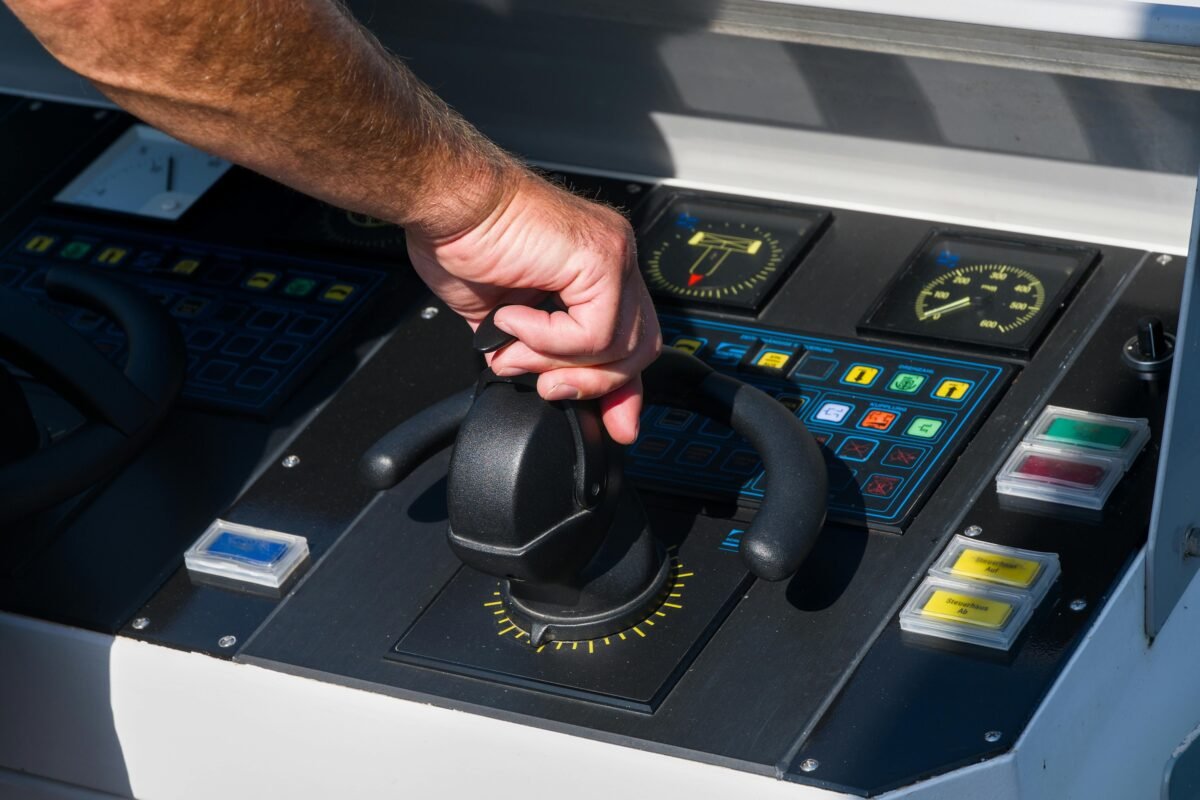
Part 2 – Manager and Operators of the Machine: In Part 2, we examine the entity tasked with operating the imperfect HOA machine – the so-called community management company (Manco). In theory, the Manco functions as a neutral steward, executing the directives of the board, maintaining the physical asset, and ensuring compliance with governing documents and statutory requirements. In practice, however, the operator often becomes the primary beneficiary of the system’s inefficiencies.
This is the Operator Problem. To fix the imperfect machine, we must turn first to those entities that are in control of the machine. At its core, the Operator Problem is a misalignment of incentives. The typical HOA Manco is compensated through a combination of fixed management fees – almost always unrealistically low – and ancillary revenue streams, which can include:
- Vendor coordination fees.
- Project management markups.
- Resale disclosure charges.
- Administrative add-ons.
While the base management fee is often marketed as the primary cost of service. It is frequently the ancillary revenue that drives profitability. The largest U.S. and Canadian Mancos are vertically integrated corporations with multi-layered service departments and sister companies operating in multiple state jurisdictions.
This structure creates a fundamental contradiction. The management company is ostensibly hired to optimize operations and reduce costs, yet its revenue model often scales with complexity, inefficiency, and transaction volume. The more projects, problems, and vendor engagements an association has, the more opportunities exist for the management company to extract additional fees.
The Maintenance Requisition Cycle: Consider the typical lifecycle of a maintenance issue within an HOA. A roof on a 20-year-old condominium building begins to fail – not catastrophically, but incrementally. Instead of proactive asset management and long-range planning, the issue is allowed to degrade into a series of reactive repairs. Each repair requires vendor coordination, board communication, and administrative handling. Each step becomes a billable event.
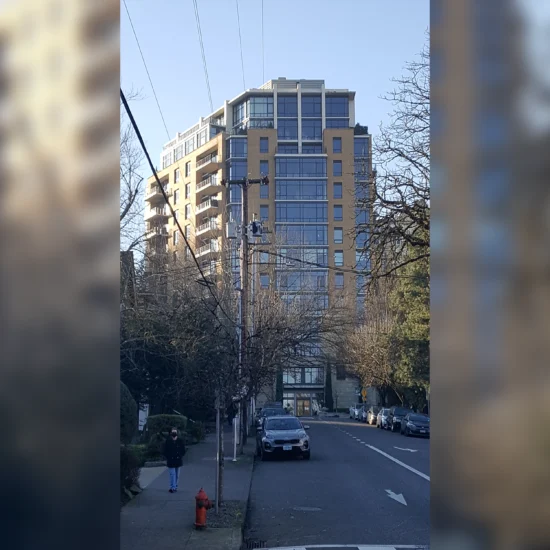
Faced with the daunting task of replacing a $2 million roof on a high-rise building in the middle of a downtown setting, the BOD defers to the Manco time and again, after all, these are the “professional managers” that have been hired to manage the condominium association, surely, they know best?
From a purely operational standpoint, the optimal outcome would have been early detection and a coordinated capital replacement strategy – fewer transactions, lower long-term costs, and improved asset performance. But from the perspective of a fee-driven management model – aided and abetted by the reluctance of the BOD to spend $2 million all at once, the fragmented, reactive approach generates more revenue, and takes the pressure off the Board.
This is not necessarily the result of malicious intent. Rather, it is the predictable outcome of a system designed without regard to incentive alignment. The operator of the HOA Machine is not incentivized to eliminate inefficiency; it is incentivized to manage the machine in such a way that it continues to perform at a baseline level.
Illusion of Stewardship: The illusion of stewardship emerges from this dynamic. Mancos present themselves as fiduciary partners – professionals dedicated to the long-term stability of the Association. They produce polished reports, attend board meetings, and maintain a veneer of operational competence. Yet beneath this surface, the economic engine driving their business may be fundamentally at odds with the interests of the homeowners they serve.
This illusion is reinforced by information asymmetry. Boards of directors, typically composed of volunteer homeowners, rely heavily on the management company for expertise and guidance. They may lack the technical knowledge to evaluate reserve studies, scrutinize vendor contracts, or assess the true cost implications of maintenance decisions. The management company, by contrast, operates across multiple properties and accumulates institutional knowledge that is rarely fully disclosed.
Entangled Management: If the Manco is a sister company of a licensed maintenance contractor that just so happens to provide the same type of services needed by the HOA, all the better – at least for the Manco. In this environment, the Manco becomes both advisor and executor – a dual role that blurs the line between objective guidance and a self-interested recommendation motivated, at least partly, by potential self-enrichment.
Vendor selection becomes a critical point of influence. When management companies maintain preferred vendor networks – sometimes with undisclosed financial relationships – the potential for conflict of interest increases dramatically.
The result is a subtle but effective form of operational capture. Supporters of the current system refer to this as “integrated management.” The HOA Detective™ calls is “entangled management.” The HOA, which is intended to function as a self-governing entity, becomes operationally dependent on its Manco. Decision-making authority remains nominally with the board, but practical control shifts toward the operator of the machine.
Over time, this dependency often leads to a degradation of governance. Boards defer to management on increasingly complex issues, from budgeting to capital planning, rule enforcement, etc. Financial documents become more opaque, not necessarily through deliberate obfuscation, but through the accumulation of complexity that few board members are equipped to disentangle. The system continues to function, but its transparency and accountability erode.
Manco Scale is Problematic: The Operator Problem is further compounded by the scale of the Manco operation. Large management firms, particularly those operating under national or regional umbrellas, often prioritize portfolio growth over service quality. As the number of managed associations increases, individual properties receive less attention, and standardized processes replace tailored solutions. The machine becomes more efficient at a corporate level, but less responsive at the community level.
The Usual Suspect Problem: This dynamic is especially evident in the use of in-network service providers. By internalizing or closely aligning with vendors – reserve study firms, auditors, insurance agencies, maintenance contractors – Mancos can create integrated revenue ecosystems. While this vertical integration can streamline operations, it also concentrates control and reduces independent oversight.
Fire the Manco, and the BOD has to hire a new landscaper, a new HVAC service company, a new janitor, a new swimming pool maintenance company, and may even need a new reserve study provider. In the coziest relationships, the connection between a Manco and a specific auditor (CPA) seems to be chiseled in stone. Fire the Manco, and you may be looking for a new auditor, as well.
Here at the HOA Detective™ investigative desk, we call this the “Usual Suspect Problem.”
Fixing the Operator Problem: Addressing the Operator Problem requires more than incremental reform; it demands a rethinking of the management model itself. Transparency must be elevated from a marketing concept to an operational standard. Boards must be equipped with independent sources of expertise, capable of challenging management recommendations and verifying underlying data. Rewarding compensation structures must be designed that align with long-term performance rather than short-term activity.
Manco Professional Code of Conduct: The current market-driven (sell more Manco-affiliated services) compensation model must be replaced with a performance-based model under which the manager is rewarded by serving the clients’ interests FIRST and foremost, in the same manner all professionals are expected to do, whether it is a doctor, attorney, CPA, architect or engineer. The Professional Code for Community Management professionals ² must include, at a minimum, the following professional standards:
- Duty of Loyalty
- Duty of Care
- Duty of Good Faith
- Duty of Full Financial Disclosure
- Duty of Vendor Relationship Disclosure
- Duty of Document Integrity
Conflict of Interest Controls must include:
- Prohibition in Self-Dealing
- Competitive Procurement Standard
- Professional Mancos shall not be self-enriched through ancillary activities outside the scope of primary professional duties.
- Professional Mancos shall not steer or otherwise attempt to influence the choice of vendors – paid or not – or other experts who may be consulted by the client.
- Professional Mancos shall not pressure of attempt to exert undue influence over the client’s BOD decision-making process.
- Professional Mancos shall not withhold information that would materially alter Board decisions.
While you are waiting around for the community management professional and state regulators to enact and enforce a meaningful professional code, you can use the link in the Endnotes to download a PDF of the complete CIDA Professional Code for Community Management professionals™ and incorporate the Code into your own Association’s management contract.
For a copyright-free version of the Code, please contact the office of CIDAnalytics at 971.888.5083.
Ultimately, the Operator Problem is not about any single company or individual. It is a systemic issue, embedded in the structure of the HOA industry. As long as the economic incentives of Mancos remain misaligned with the interests of HOA stakeholders, the illusion of stewardship will persist.
In Part 3 of this series, we turn to another critical component of the machine: the financial framework that underpins HOA operations. If the operator shapes how the machine runs, the financial system determines whether it can run at all.
Endnotes
1. HOA Detective™, “Aging U.S. Housing Stock and Its Financial Implications for HOAs,” April 1, 2025. – https://hoadetective.com/aging-u-s-housing-stock-and-its-financial-implications-for-hoas-part-1/
2. The CIDA Professional Code of Conduct for Community Management Professionals™ – CLICK TO DOWNLOAD
Because You’re Buying more than a Home!