HOA Detective™ | Feb 10, 2026: The series has been extracted from a June 20, 2025, HOA Detective™ research essay called “Privatized Special Districts: The New (and many) Layers of Local Governance.”
To make the original/ research more “reader-friendly,” the 2025 essay has been reformatted into seven articles, which will be posted on the HOA Detective™ website in early 2026.
Introduction – Part 1 of 7: Privatized Special Districts (PSDs) – HOAs in Public Space.
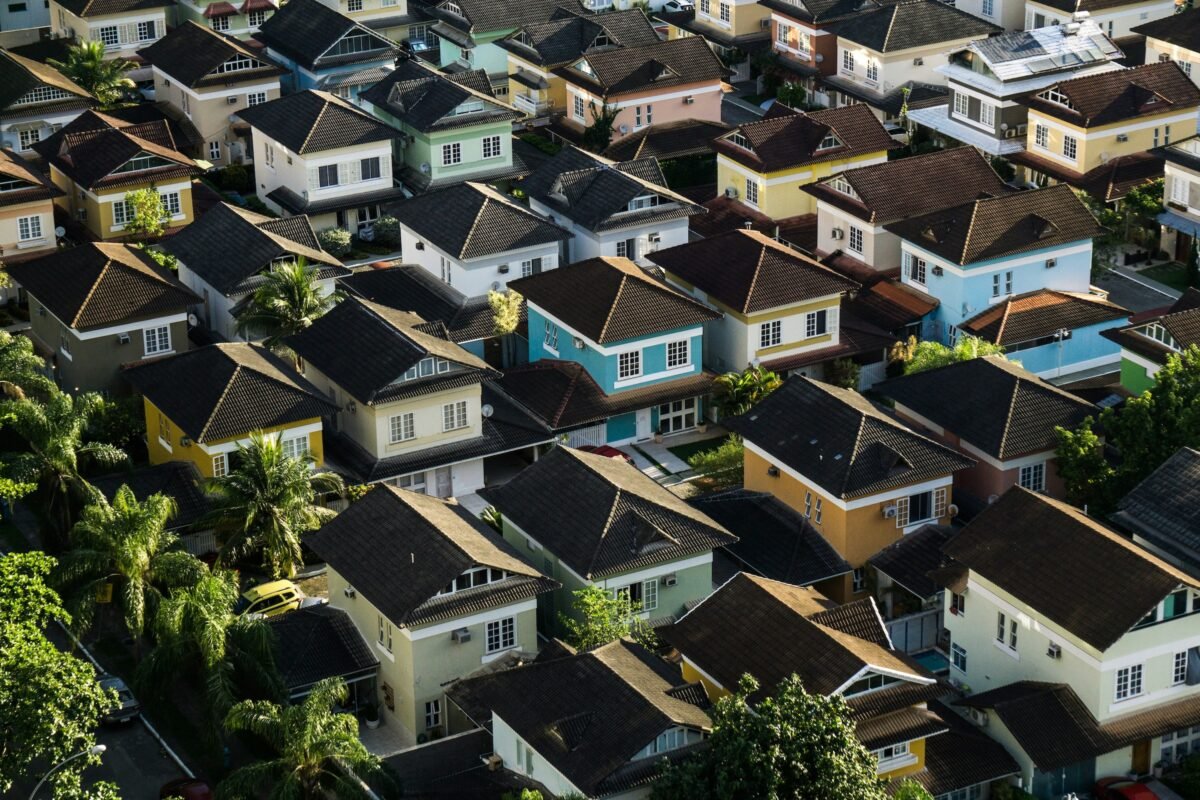
The core argument of this series is simple: PSDs are a logical extension of the 20th‑century privatized common interest development (CID) model, scaled outward from gated subdivisions and condominium towers into shared public space. In both systems, core municipal functions (maintenance, security, sanitation, rule enforcement, and the shaping of public life) are shifted into a hybrid zone where residents and private property stakeholders pay, but governance power is concentrated in commercial, private interests.
Just as CIDs in the 20th century were s not a quirk of fate, the proliferation of PSDs in the 21st century is not an accident; it is an institutional design that tends to serve corporate and government convenience: budget relief, risk transfer, and ‘clean & safe’ optics are more reliable when delivered through the PSD model, so say the proponents. Whether PSDs serve the taxpayers and undermine democratic control is rarely debated.
In the coming weeks, we will examine the PSD phenomenon one city at a time, using NYC, Los Angeles, Chicago, San Francisco, and Portland, OR as case studies. We examine how this 21st-century governance model operates, what problems it claims to solve, where accountability fails, and what patterns are being repeated across the country.
National Frame: PSDs are typically initiated by concentrated property or business interests, authorized by a city or county charter, and funded through mandatory assessments collected through existing tax authorities. They promise ‘supplemental’ services – street cleaning, beautification, marketing, and security – but in practice, they frequently become a parallel governing layer that influences policy, policing priorities, and the lived experience of public space.
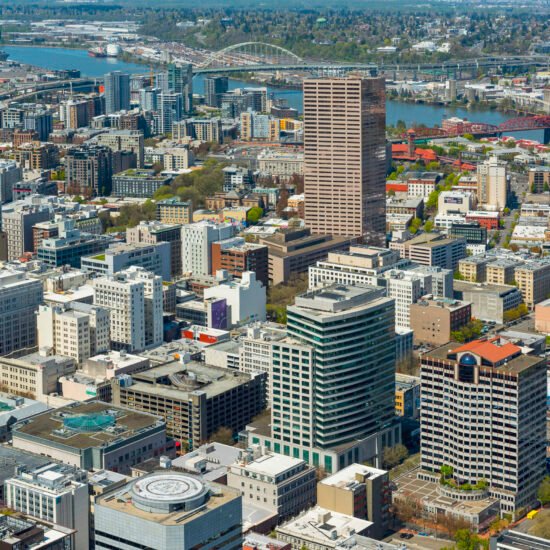
In one particularly arrogant display of leadership hubris that will be examined in this series is that of Portland, Oregon’s Downtown Clean & Safe District, a so-called “Enhanced Service District” (ESD) that contributes little to making the streets of downtown Portland “Clean & Safe,” as any visitor to the city can attest.
The resemblance of PSDs and ESDs to the HOA construct is structural and philosophic:
- Mandatory fees that are justified through the promise of “benefits’ to be delivered by the servicing entity, which are often outsourced to for-profit contract vendors.
- Board of Directors is often dominated by stakeholders who have invested the most.
- Private rule-enforcement capacity – often beyond immediate judicial reach.
- Limited transparency compared to true public agencies.
The Rhetorical Drumbeat is also Familiar: public services are framed as inadequate; privatization is presented as pragmatic; dissent is treated as an obstruction to the ‘quality of life’ of the more “sensible” premise that a privatized, corporate-controlled service model is certain to be better.
Across the case studies that follow, the following recurring questions matter more than the branding and labeling:
- Who pays?
- Who decides?
- Are baseline public services reduced once the private layer appears?
- What enforcement powers (formal or informal) accrue to quasi-private security and management?
The city-specific essays that will be published in the coming weeks will peel away the abstraction to reveal yet another bastardization of Ebenezer Howard’s “Peaceful Path for Real Reform.”
Notes
Sources and reference materials include the following:
- Teen Vogue’s BID/policing discussion: https://www.teenvogue.com/story/business-improvement-districts-policing#:~:text=proponents%2C%20facilitate%20urban%20revitalization%2C%20yet,to%20resemble%20unaccountable%20private%20governments
- The Street Spirit article on ‘one dollar, one vote:’ https://thestreetspirit.org/2015/09/07/one-dollar-one-vote-big-business-subverts-democracy/#:~:text=According%20to%20a%202011%20report,the%20Rutgers%E2%80%99%20Institute%20of%20Business
- Portland Clean & Safe materials: https://www.endcleanandsafe.org/#:~:text=ESDs%20use%20public%20resources%20to,traditionally%20provided%20by%20local%20governments
- NYC Small Business Services: https://www.nyc.gov/site/sbs/neighborhoods/bids.page#:~:text=
Because You’re Buying More than a Home!