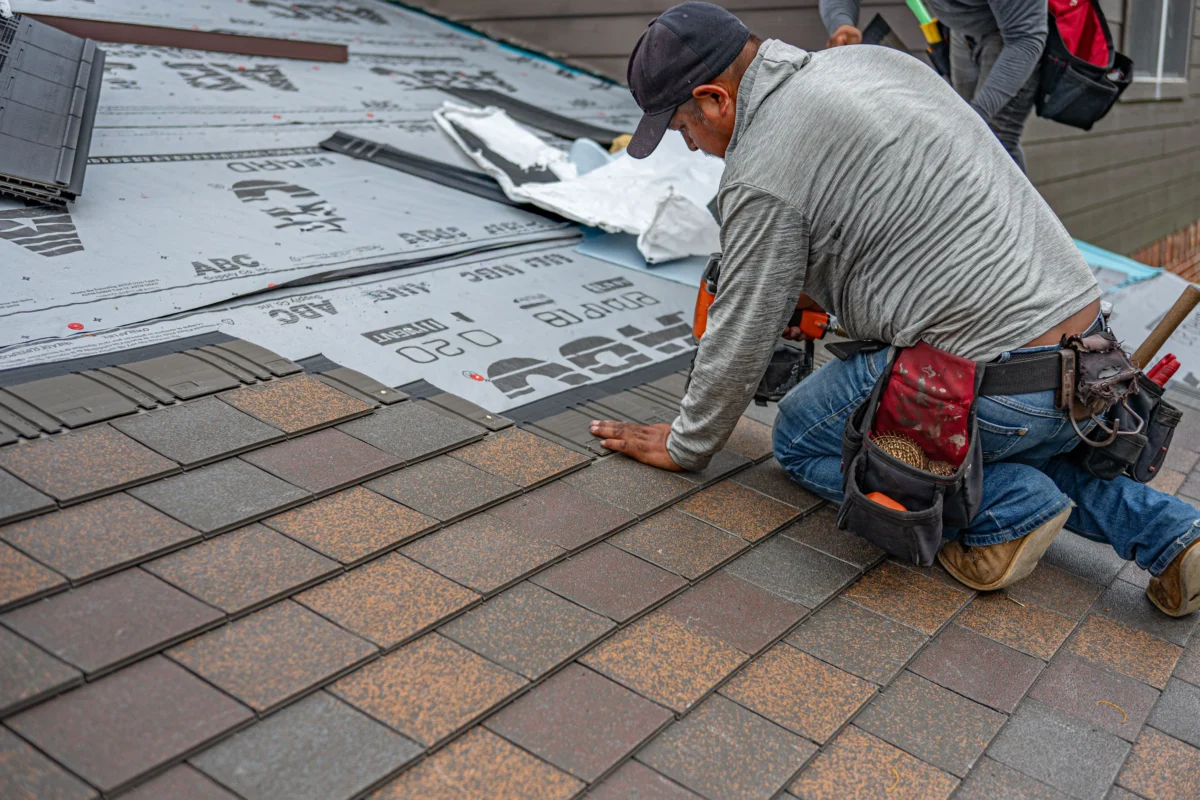
Maintenance marches on whether the Board of Directors likes it or not.
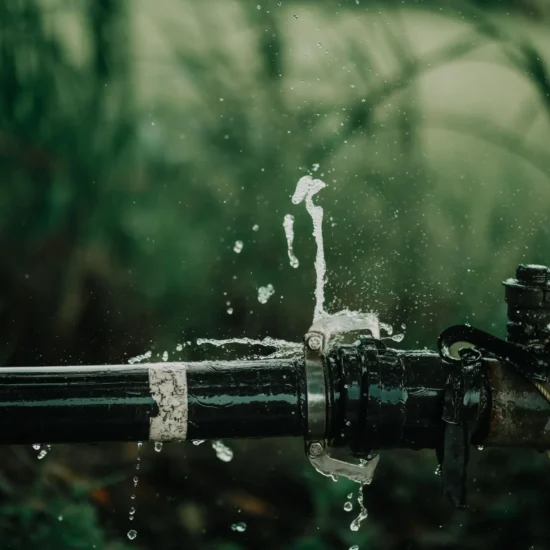
HOA Detective™ | September 15, 2026: A roof leak does not disappear because the Board of Directors postpones the repair. A corroding pipe does not pause while owners debate the assessment. A failing waterproofing system does not care that the reserve study places replacement seven years away. Physical assets keep aging on their own schedule. The maintenance bill may be deferred, but it does not go away.
This is the central contradiction of common-interest housing. Most larger homeowner associations (HOAs) own or control a complicated collection of roofs, walls, pipes, pavement, elevators, fire systems, mechanical equipment, drainage systems, and structural assemblies.
Squeeze everything into a single, high-rise building, and you compound every aspect of preventive maintenance; most significantly, the bad outcomes associated with deferred maintenance.
Yet the people making decisions about how these assets will be maintained are usually volunteers serving short terms, under constant pressure to keep assessments low. The building thinks in decades. The Board often thinks in budget years.
The current Board members may or may not be owners 10 or15 years from now, when a multi-million loan is required to finance a roof replacement because the Association failed to fund the reserves in a responsible manner. The same Board has no need to increase the annual assessment, no need for a bank loan, a million in the reserves, and everyone is content – for the time-being.
The Result is Deferred Reality: The institutional habit of treating a known physical obligation as though delay somehow changes the obligation itself. It does change it, of course. It makes the outcome more expensive, more disruptive, and less predictable.
Maintenance and reserves are not interchangeable; they are complementary. Maintenance and capital planning are related, but they perform different jobs.
- Maintenance preserves performance and slows deterioration of the maintained asset.
- Capital planning anticipates the eventual cost of repair or replacement of major assets and accumulates money during the service life of the asset, so there will be funds available to pay for replacement when the service life ends.
- A reserve study without an effective maintenance program is a financial schedule attached to assets that may fail sooner than expected.
- A maintenance program without adequate reserves may help to keep assets in a functional state, but does little to contribute to replacement other than to forestall the date as far into the future as possible
Oregon law recognizes the distinction. Condominium boards subject to ORS 100.175 must determine reserve requirements annually and must also prepare a maintenance plan describing the work, its schedule, and the useful-life and warranty issues involved. [1]
The statute does not treat the reserve study as a substitute for maintenance. It requires both because the two disciplines answer different questions:
- What must we do to preserve the commonly owned property?
- How will we pay for long-term renewal and replacement of the common elements?
Most Associations simply reduce the reserve planning to an annual exercise to determine the reserve contribution that is included in the annual budget. If the contribution is tolerable to the membership, and the projected reserve fund balance remains above zero, the plan is declared adequate.
Typically, the reserve funding model does not compensate for a defective component inventory, optimistic useful lives, inaccurate replacement cost estimates, omitted systems, or maintenance recommendations nobody pays attention to. Nor does the funding model take into account the impact of deferred maintenance, whether it is the economic or physical impact on the service life of the common elements.
Delay (Defer) Changes the Scope: Most reserve study algorithms calculate future replacement cost using a simple current cost + inflation = future cost formula. The cost of postponement (deferred maintenance) is not calculated. Failed sealant allows water into wall assemblies. Poorly designed attic ventilation shortens the life of the roof while causing a host of related problems during the service life of the roof. Only when the roof has failed, and replacement is required, is the damaged insulation, sheathing, framing, and microbial growth (mold) addressed.
When a prospective buyer comes along at year 10 and asks for a current reserve study, it is rare to find a study that depicts the impending financial impact of deferred maintenance, much less undiscovered defects or delayed remediation of known defects. Delaying or deferring maintenance also reduces the choice of remedies. Preventive work can often be scheduled, competitively bid, phased, and performed during favorable weather.
On the other hand, what may have been a relatively simple attic ventilation improvement, when delayed years into the future, balloons into a major overhaul of the entire attic from the ceiling joists to the top of the roof.
Emergency work comes with its own terms. When a Board is required to perform under pressure, contractor availability becomes an issue, limited investigation time, and owners demanding immediate relief further limit the Board’s options. Each patch makes the next Board feel that something has been done, while the underlying condition continues to advance.
This is why the estimated useful life should never be mistaken for a warranty or a countdown clock. It is an informed planning estimate conditional on observed condition, exposure, workmanship, and maintenance.
If new evidence surfaces – a pattern of leaks, an inspection finding, recurring work orders, accelerating failure of similar components – the plan must be adjusted. The physical improvements are not bound by a set of rules simply because a reserve study provider assigns a useful life of X number of years to the asset.
Hidden Deferred Maintenance: In some instances, the maintenance protocols established by the best of plans may need to be revised. If not, a form of “hidden deferred maintenance” occurs. This phenomenon occurs when the prescribed maintenance protocols are being followed, but a more effective path is warranted by the changing condition of the maintained components.
If the layperson looks at the PM schedule and the list of completed tasks, it would appear for all to see that proper maintenance is being performed, but because of hidden deferred maintenance, the asset in question is being inadequately maintained.
The Politics of the Artificially Low Assessment: Deferred maintenance is usually described as a technical problem, but its engine is political. The Board of Directors is recognized for “Good Governance” practices when the annual increase in the regular assessments is low, and special assessments are not required.
The annual budget and the most recent financial statements may show balanced operations. The grounds are presentable. The roof isn’t leaking, the elevator works, and nobody uses the pool anyway. The dues are low; there are no bank loans on the balance sheet- success!
Meanwhile, the unpaid cost of deferred maintenance remains hidden in the form of the declining condition of the common property and shorter remaining service life of the assets, even though the same assets are performing according to defined standards.
That is not Economy – it is “Cost Shifting:” Cost shifting occurs when the current owners receive the benefit of roofs, elevators, siding, pavement, and plumbing while transferring a disproportionate share of their deterioration to future owners. When the bill finally arrives, it appears as a special assessment or loan in the absence of adequate accumulated reserves.
Borrowing may solve the problem temporarily, but it does not repair the underlying arithmetic. Debt converts a capital deficit into principal, interest, loan fees, covenants, and years of debt service. It can also compete with the next generation of reserve obligations.
An Association still paying for first-generation owners’ roof replacement obligation in the form of a 20-year loan is unlikely to simultaneously fund a repiping project that looms in the future like a brewing storm cloud.
Bottom Line on Borrowing: The Imperfect Machine does not suspend the next replacement cycle because the Association is still paying for the last one, simply because the last project was financed with a loan.
The Market has Begun to Take Notice: For decades, HOAs treated physical deterioration as an internal governance problem. Visit a late 20th century HOA with a moldy clubhouse full of outdated furniture, and a pool limping along on one leg, and witness this phenomenon for yourself.
The good news is that era is ending. Fannie Mae’s condominium project standards prohibit loans in projects needing critical repairs and expressly address material deficiencies, significant deferred maintenance, inspection reports, and special assessments. [2]
A neglected building can therefore impair not only safety and owner finances, but also mortgage eligibility and unit marketability – if you don’t think that will get people’s attention, stick around a few more years.
Remembering Surfside: Florida’s post-Surfside statutory response is more direct. For covered condominium buildings, the structural integrity of the reserve study must identify inspected items, estimate remaining useful life and replacement or deferred-maintenance cost, and provide a funding schedule. [3]
The law also connects the study to actual funding methods, including regular assessments, special assessments, credit lines, and loans. [4] Whatever one thinks of Florida’s implementation, its premise is difficult to dispute:
Physical maintenance obligations and financial obligations must be analyzed together.
Insurance adds another pressure point. Repeated water losses, deteriorated roofs, obsolete electrical equipment, and unrepaired hazards can contribute to higher premiums, larger deductibles, restrictive terms, or nonrenewals. The insurance policy is a contract transferring defined risks under defined conditions.
Insurance is not a maintenance plan, but it does serve as a regulatory force in the marketplace.
How do We Fix this Broken System? Fixing this part of the Imperfect Machine does not require perfect foresight. It requires a repeatable process that survives changes in board membership. Consider the following as minimum property stewardship standards for your Association:
- Every association should maintain a current inventory of the property it is obligated to maintain, repair, and replace.
- The maintenance plan, reserve study, operating budget, inspection reports, work-order history, and insurance recommendations should describe the same physical property and inform one another.
- Incorporate a computerized maintenance management system (CMMS) into the preventive maintenance program.
- Establish a maintenance committee whose responsibility is to implement and manage the maintenance program using a state-of-the-art CMMS platform like Limble. [5].
- By embedding the Association’s maintenance plan into a CMMS platform, the longevity of the program can be preserved, outlasting any one Board administration or any one Manco tenure.
Each year, the board should ask a short set of uncomfortable questions:
- What conditions changed since the last inspection or reserve update?
- Which recommended maintenance items were completed, deferred, or rejected, and why?
- Are recurring repairs evidence that a component’s useful life has shortened?
- Do current costs reflect actual bids and local construction conditions?
- What projects are absent from the reserve inventory?
- If the plan depends on borrowing or a special assessment, has that assumption been disclosed plainly?
The answers should appear in the record before the failure, not be reconstructed afterward. Annual review of maintenance plans matters.
Conclusion – Maintenance Marches on: The Board of Directors can defer the maintenance, but what it cannot defer is the physical consequence of deferred maintenance. Time continues to operate on every component, whether or not the board places the matter on next month’s agenda.
If The Oracle of Engineering, H.P. Horton, were alive today and participating in a discussion of preventive maintenance while enjoying one of his cheap cigars and a glass of cold beer, he would let out a sigh of mild impatience and say something like:
“Maintenance marches on, man, whether the Board of Directors like it or not.”
Notes
1. Oregon Revised Statutes § 100.175(3)–(4) (2025), requiring annual determination of reserve requirements and a maintenance plan addressing the association’s maintenance, repair, and replacement responsibilities, https://oregon.public.law/statutes/ors_100.175 https://www.oregonlegislature.gov/bills_laws/ors/ors100.html.
2. Fannie Mae, Selling Guide Announcement SEL-2023-06, July 5, 2023, 1–2, https://singlefamily.fanniemae.com/media/36376/display.
3. Florida Statutes § 718.112(2)(g)4.a (2026), https://leg.state.fl.us/statutes/index.cfm?App_mode=Display_Statute&URL=0700-0799/0718/Sections/0718.112.html.
4. Florida Statutes § 718.112(2)(g)4.c (2026).
5. Limble CMMS, https://limble.com/
Because You’re Buying More than a Home!