As traditional financing dries up, private capital may become the lender of last resort for America’s aging condominium stock.
HOA Detective™ | May 26, 2026: For nearly two decades, the warning signs have been visible to anyone willing to study the long arc of condominium governance and reserve funding in America. Aging buildings. Deferred maintenance. Artificially low HOA dues. Reserve studies are designed more to soothe boards than to confront reality. Politically weak homeowner associations are governed by volunteers with little appetite for raising assessments. And hovering over all of it, a culture of magical thinking that assumed the future would somehow pay for itself.
The Future has Arrived: Across the United States – particularly in high-rise condominium and aging early-20th-century planned-community markets – the forces of economic and physical depreciation are colliding. When the hard mathematics of physical deterioration and capital scarcity collide, something has to give:
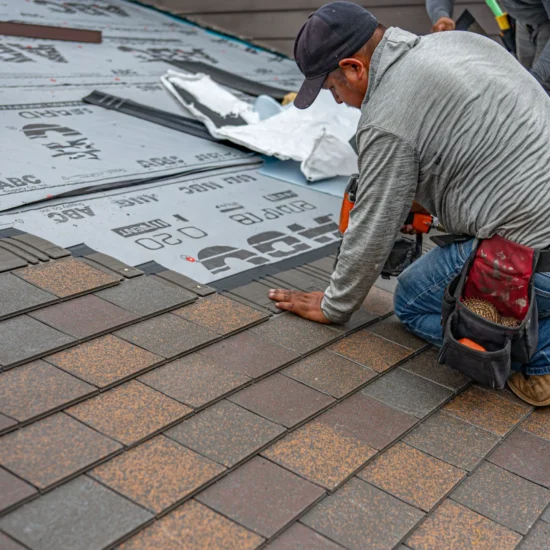
- Roofs fail.
- The building enclosures fail.
- Legacy systems become obsolete.
- Life safety systems require modernization.
- Insurance premiums explode.
- Unexpected climate-resilience mandates add to recapitalization pressure.
- Meanwhile, many owners are retirees or fixed-income households already stretched thin by inflation and rising carrying costs.
The old financing models developed in the 1960-70s, when nobody knew much about how to manage a common interest development (CIDs), is beginning to fracture.
For decades, CIDs relied on a relatively predictable ecosystem of reserve accumulation, occasional bank lending, and special assessments to bridge major repair cycles or unexpected financial needs. But the post-Surfside environment fundamentally altered the psychology of condominium risk.
Commercial lenders have become increasingly cautious about large deferred-maintenance exposure. Insurance carriers are aggressively repricing risk. Buyers are scrutinizing reserve balances more carefully. In some jurisdictions, regulators are beginning to mandate reserve funding standards that many associations cannot realistically meet without severe financial pain.
The White Knight in the Room: The notion may sound strange at first, but homeowner associations are not Silicon Valley startups. They are fragmented quasi-governments tasked with maintaining deteriorating physical infrastructure under severe political constraints.
From the perspective of private capital, the distressed HOA inventory represents an increasingly attractive opportunity that many private equity firms have long-since found profitable: a massive, undercapitalized asset class with predictable cash flows and little organized competition. Some call it disaster capitalism, others call it “good investment.”
According to the Community Associations Institute (CAI), the number of HOAs in the U.S. was approximately 373,000 as of the end of 2025. The communities govern tens of millions of residents and oversee trillions of dollars in real estate assets.
A million here, a million there, and pretty soon you’re talking real money.
Much of this inventory was built during the condominium boom period between 1990 and 2008. Large portions of it are now approaching or surpassing the 20-Year Tipping Point identified by CIDAnalytics and other reserve study professionals – the point in the HOA’s lifecycle where major systems begin to fail simultaneously. Not surprising is that, this is also the point when the underfunded HOA learns its beleaguered reserve fund is inadequate to absorb the shock of a major recapitalization program.
For some of the largest communities, the capital requirements are staggering. Many associations will require multi-million-dollar rehabilitation programs over the next decade simply to remain operational and insurable. Traditional banks are already signaling discomfort with certain forms of HOA lending, particularly in associations with weak reserves, litigation exposure, or structural uncertainty.
Some lenders have quietly reduced their appetite for aging condominium towers altogether in the aftermath of the Champlain Tower South disaster.
Too Big to Ignore: Private equity firms, distressed-debt operators, infrastructure funds, and specialty finance groups are unlikely to ignore a market this large forever. In fact, the logic is almost irresistible.
An HOA possesses a legally enforceable assessment structure. Owners cannot simply opt out of dues obligations. Associations hold lien rights. Revenue streams are recurring and relatively predictable. Buildings themselves are immovable hard assets located in many of America’s most supply-constrained urban cores. And unlike conventional municipal infrastructure, HOAs lack sovereign taxing authority or public bailout mechanisms, making them uniquely vulnerable to outside financing influence.
This combination creates fertile terrain for financial engineering.
The “White Knight” Thesis: As conventional financing retreats from capital-distressed HOAs, private capital steps in as the lender, insurer, restructuring specialist, or infrastructure partner of last resort. In exchange, firms gain access to:
- Recurring assessment cash flows.
- Servicing rights.
- Advisory contracts.
- Project management control.
- Preferred repayment structures.
- Or equity-like participation mechanisms tied to future property appreciation.
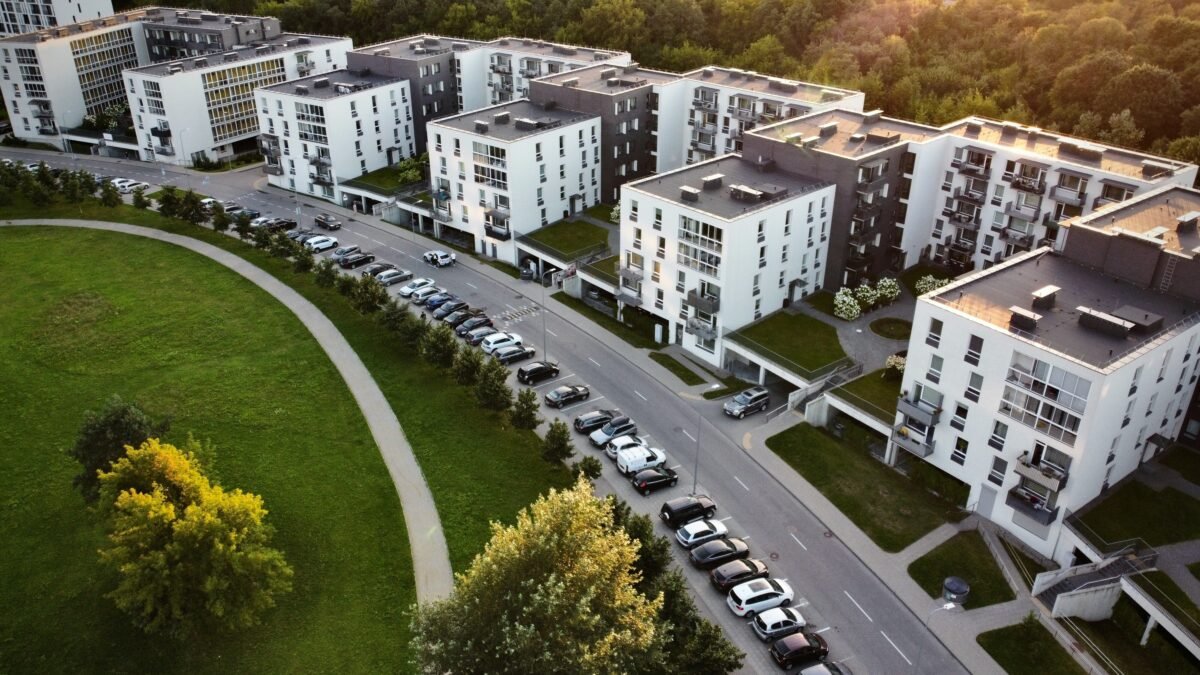
At first glance, many boards may welcome this intervention. Some buildings will have little choice. Imagine a 25-year-old high-rise tower facing a $15 million Enclosure restoration, escalating insurance premiums, reserve deficiencies, and politically impossible special assessments.
Owners are already strained. Unit sales are slowing. Fannie Mae blacklist exposure looms. Local banks hesitate to extend favorable financing. In that environment, the arrival of a sophisticated capital partner offering structured funding solutions may appear not merely attractive, but existentially necessary.
The problem, of course, is that private capital is rarely philanthropic.
Private equity does not generally enter markets because conditions are healthy. It enters because distress creates pricing power. This distinction matters enormously. It isn’t called disaster capitalism by accident.
The next decade may witness the gradual financialization of HOA governance itself. Associations that once functioned as sleepy volunteer-run nonprofits could evolve into highly monetized infrastructure platforms where outside financial interests exert growing influence over reserve planning, insurance structures, maintenance sequencing, assessment policies, and long-term redevelopment decisions.
In practical terms, this could manifest in several forms. Specialized financing firms may begin packaging large-scale HOA rehabilitation loans into investment products. Insurance-linked products tied to special assessments could emerge.
Deferred-maintenance acquisition vehicles may target severely distressed buildings. Reserve funding programs may become subscription-based financial products rather than conventional savings models. Management companies and engineering firms may align with private capital providers to create vertically integrated “turnaround ecosystems” controlling everything from diagnostics to construction oversight to financing execution.
Army of Knights: The emergence of a “White Knight Army” could genuinely improve the long-term prospects of some HOAs. Many associations are badly governed and managed. Some boards delay obvious maintenance for years out of fear, denial, incompetence, or political pressure from owners unwilling to confront economic reality.
Sophisticated capital and disciplined asset-management practices could theoretically stabilize buildings that would otherwise spiral toward functional insolvency. Professionalization is not inherently evil. But neither is it neutral.
Once outside capital becomes structurally embedded in HOA operations, the incentives governing community associations begin to shift. Decisions once driven primarily by stewardship may become increasingly shaped by yield expectations, servicing models, portfolio optimization, or risk-transfer strategies.
Homeowners may gradually discover that they are no longer simply residents funding common maintenance, but participants in complex financial ecosystems they do not fully understand. This transformation may occur slowly enough that many people fail to notice it happening in real time. That is often how systemic shifts unfold.
The deeper issue is not merely whether private equity enters the HOA sector. It is why the conditions became so favorable for a private equity takeover in the first place. America spent decades underfunding the long-term maintenance obligations of shared-interest housing while simultaneously expanding dependence on condominium living as an affordability mechanism.
The political culture of many associations rewarded short-term fee suppression over disciplined reserve accumulation. Reserve studies were too often treated as sales tools or a necessary annoyance rather than as actuarial warning systems.
The Bill is Coming Due: Private capital may ultimately become the “white knight” that prevents widespread condominium deterioration across portions of the country. But white knights rarely arrive without terms and conditions attached.
The HOA sector stands on the edge of a profound transition. What began as a governance and maintenance problem may evolve into one of the largest capital restructuring stories in American housing over the next twenty years, while most homeowners still have no idea the game is changing around them.
Because You’re Buying More than a Home™